
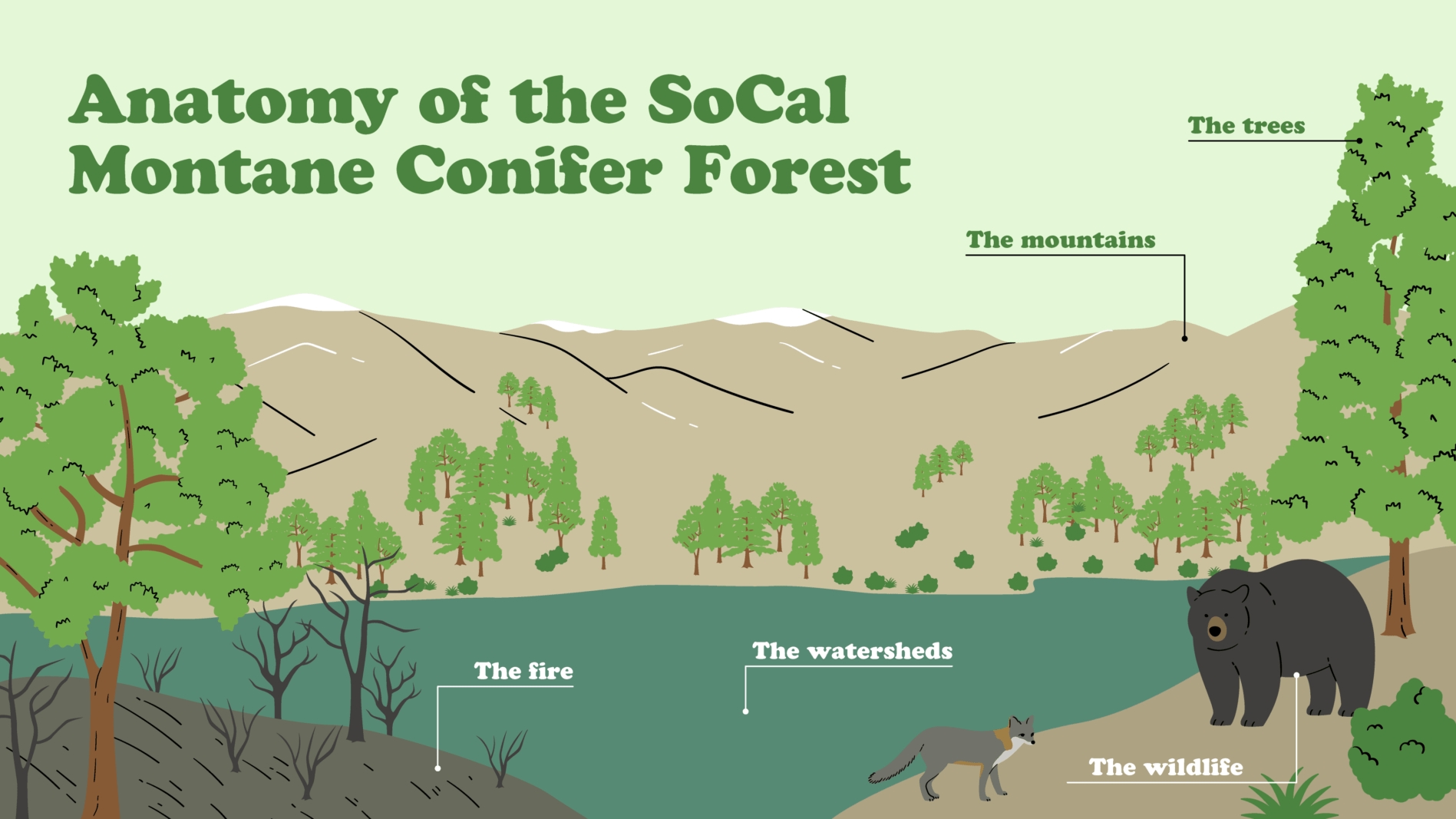
Have you ever ventured high into the mountains in SoCal and suddenly found yourself surrounded by pines and other conifer trees? You may have come across a montane conifer forest!
Found in SoCal’s higher altitudes, these forests host a unique array of plant and animal species, some of which can’t be found anywhere else in our region. They also help preserve and clean our water supplies, and provide mountain recreation opportunities for countless Angelenos.
Right now, our Conservation team is working hard to restore and preserve these ecosystems in the Angeles National Forest, by planting thousands of native conifer seedlings including Jeffrey pine, Coulter pine, incense cedar, and bigcone Douglas-fir.
Our goal is to help these sites recover from severe wildfires in recent years, so that they can continue to provide ecosystem benefits for decades to come.
Read on to learn more about how these fascinating ecosystems function, and how you can help us protect them!
The mountains
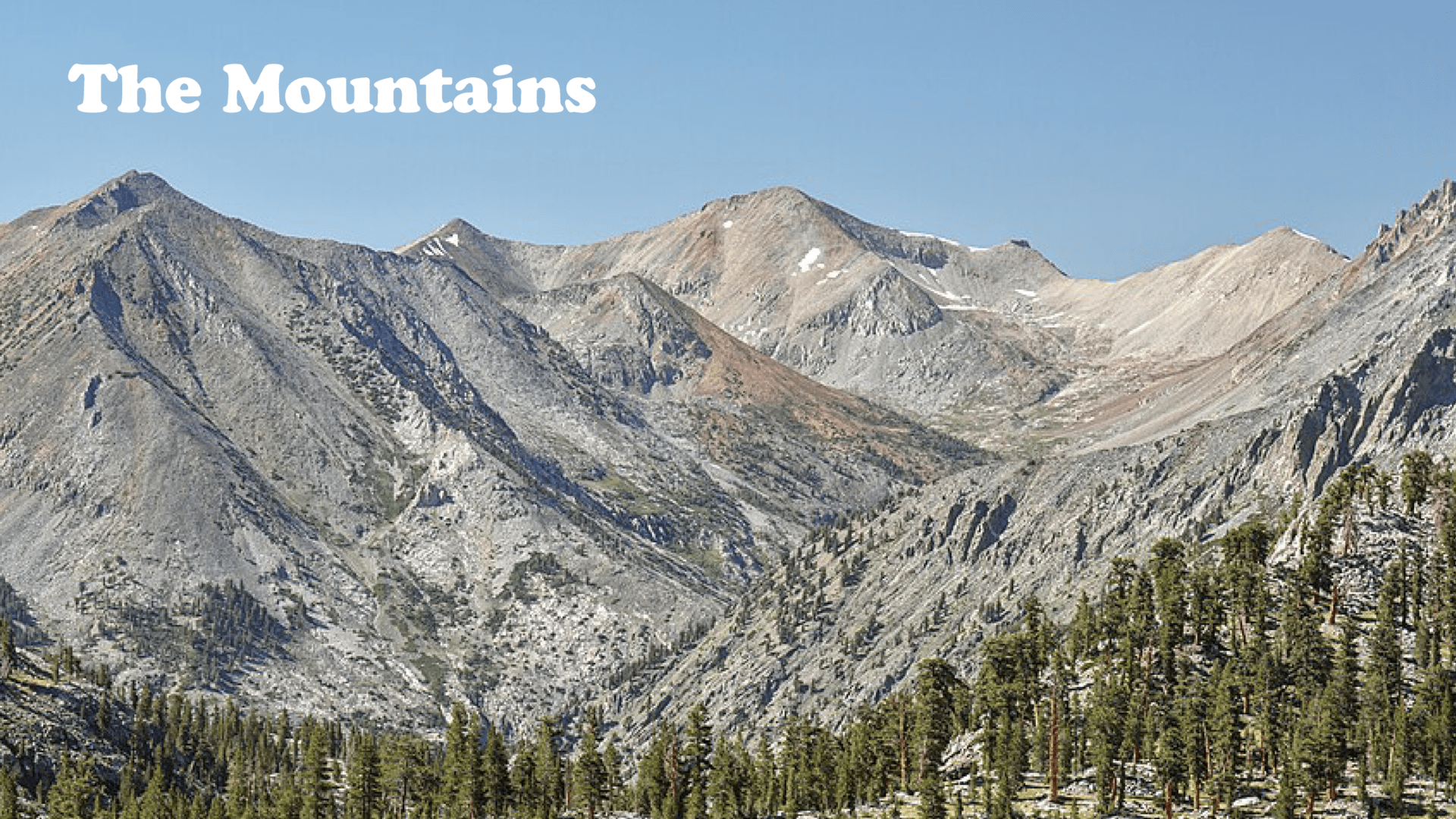
Located between 5,000-8,000 feet, montane conifer forests are examples of “sky islands.” Surrounded on all sides by “seas” of more arid ecosystems like chaparral, these isolated, high-elevation ecoregions are hubs of biodiversity where cooler, wetter conditions allow unique plant and tree species to survive. In Southern California, you can find these “sky islands” in our transverse and peninsular mountain ranges—including in the San Gabriels, where we are currently helping to restore them!
The trees
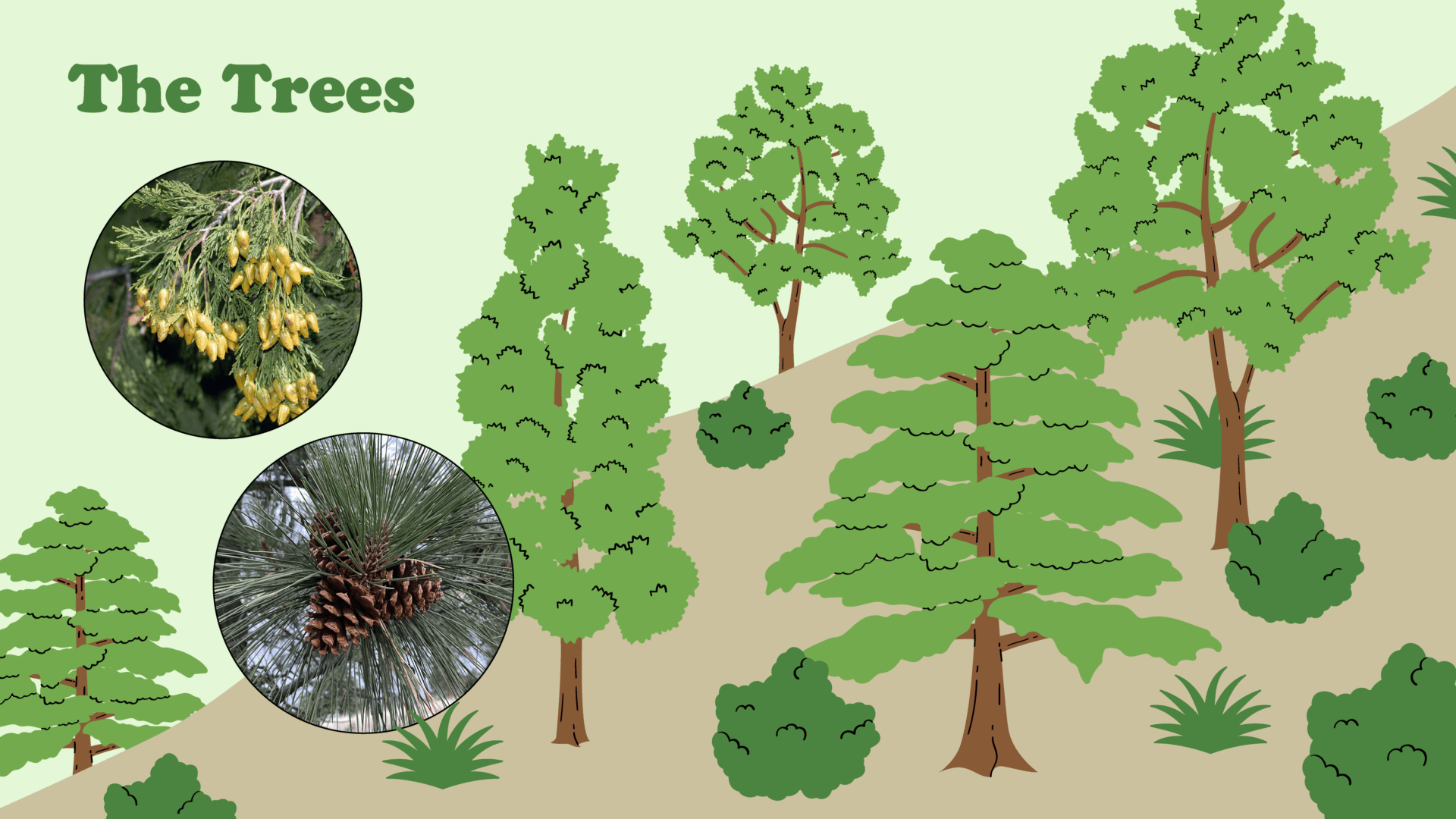
One of the most distinctive features of SoCal’s montane conifer forests is—of course—the conifers! In these high-elevation forests, you’ll find yourself surrounded by towering evergreen trees like Coulter pines, incense cedars, ponderosa pines, jeffrey pines, and bigcone Douglas-firs. It’s thought that these forests first formed in the cooler temperatures of the Pleistocene epoch, and became stranded as ice sheets retreated, isolating the unique plants and animals at these higher elevations.

The wildlife
Like the plant life, the wildlife in SoCal’s montane conifer forests differs greatly from that of the surrounding chaparral ecosystem. In these higher elevations, you’ll find predators like gray foxes, black bears and mountain lions, as well as birds like clark’s nutcrackers and the pygmy nuthatch that rely on pine seeds. Threatened and endangered species like the California spotted owl and the mountain yellow-legged frog also make their homes here—one of the reasons it’s more critical than ever to protect these regions.

The watersheds
Montane forests protect the upper watersheds of all of Southern California’s major rivers. Tree canopy in these forests is critical to helping capture and preserve snowfall, so it can melt in spring and summer to recharge the watersheds that sustain our ecosystems and provide drinking water to millions of people across the state. Extreme wildfires caused by climate change and other human interference have put these forests at risk, threatening their storage capacity and putting water quality at risk.

The fire
Historically, montane conifer forests burned frequently—every 7-24 years. However, these were predominately low-severity fires that thinned the brush and crown canopy instead of replacing it. While contemporary fire suppression has led to a decrease in fire overall, it has also resulted in a decrease in necessary brush clearance—which means more severe fires that result in more tree mortality. Careful restoration of these sites must be supported by better fire management practices informed by indigenous and scientific knowledge, so that we can make sure these ecosystems thrive for generations to come.
Help us protect these forests!
SoCal’s montane conifer forests are unique and irreplaceable ecosystems that provide countless benefits to both our ecosystems and our human communities.
Right now, our conservation team is working to plant more than 7,000 conifer seedlings to help restore these incredible “sky islands” in the Angeles National Forest—and we need your help!
Sign up for one of our upcoming conifer volunteer events, where you can help us plant trees, remove invasive plants, and maintain these important ecosystems. You can also donate to our Wildfire Resilience Fund, to help make sure we can continue to do wildfire restoration and mitigation work for decades to come!