Climate change is already reshaping life across Greater Los Angeles—and its impacts will grow in the decades ahead. Featuring detailed, street-level projections from TreePeople, UCLA, and other research partners, the Los Angeles Regional Report from California’s 5th Climate Change Assessment reveals what our region could face by mid-century: more extreme heat, longer droughts, greater wildfire risk, and rising seas.
But the future isn’t set in stone. Investing in climate resilience today can help create a safer, healthier, and more prepared Southern California. Swipe to explore the key takeaways from our new report—and how we can start preparing today.
The problem: Extreme heat impacting more communities.
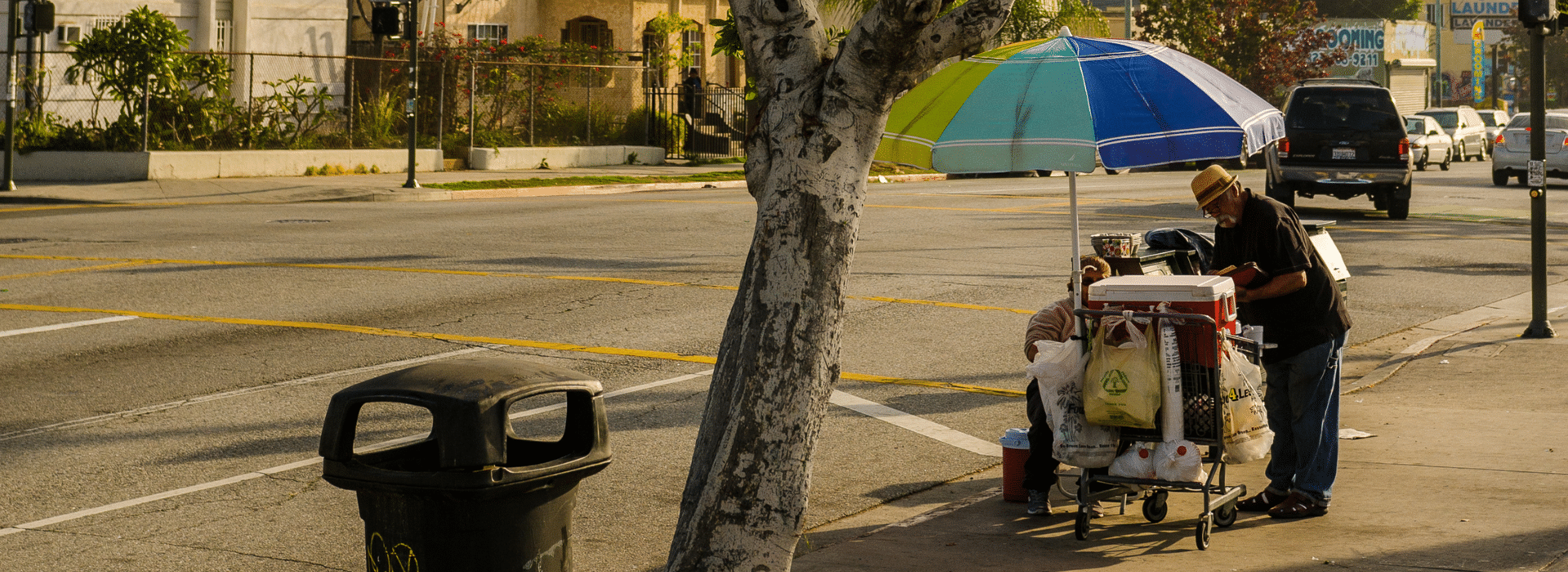
Anyone can tell you things are heating up in SoCal, where average temperatures have risen by about 4°F (2°C) since the beginning of the 20th century. By mid-century, our region will get even hotter. Temperatures are expected to spike by another 4°F (2°C), and inland communities are likely to bear the brunt of extreme heat.
San Bernandino, for instance, is projected to see 120 days above 95°F—up from 81°F historically. And its annual-maximum heat index could climb from 141°F to 157°F.
What we can do now: Expand tree canopy and invest in multi-benefit, nature-based solutions in impacted communities. Cool pavement, cool roofs, increased public education, and resilience hubs are also key.
The problem: More precipitation whiplash.
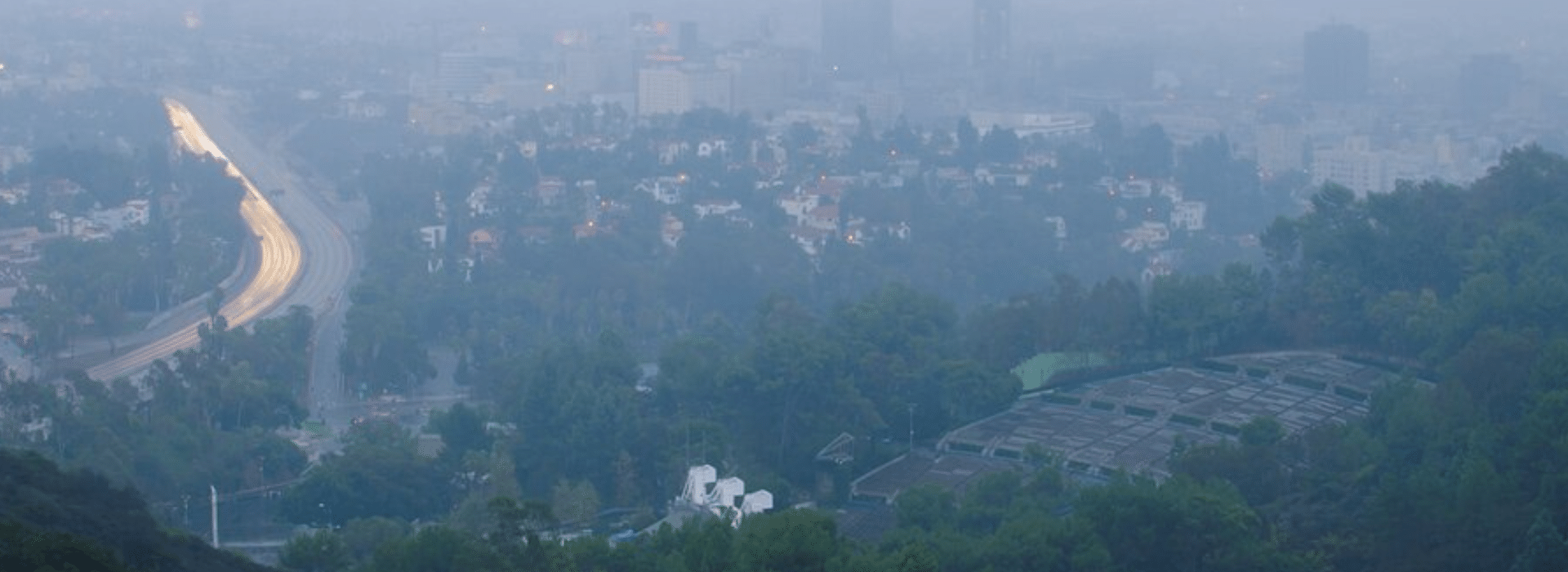
Both very wet and dry years will become more frequent, and droughts will last longer, creating challenges both for flooding and reservoir water capture.
Imported water during dry years is expected to fall by 7%, and the region may lose about a third of its snowpack by mid-century.
What we can do now: Invest in water recycling, storm water capture, and improved infrastructure built to handle volatile precipitation.
The problem: Increased wildfires.
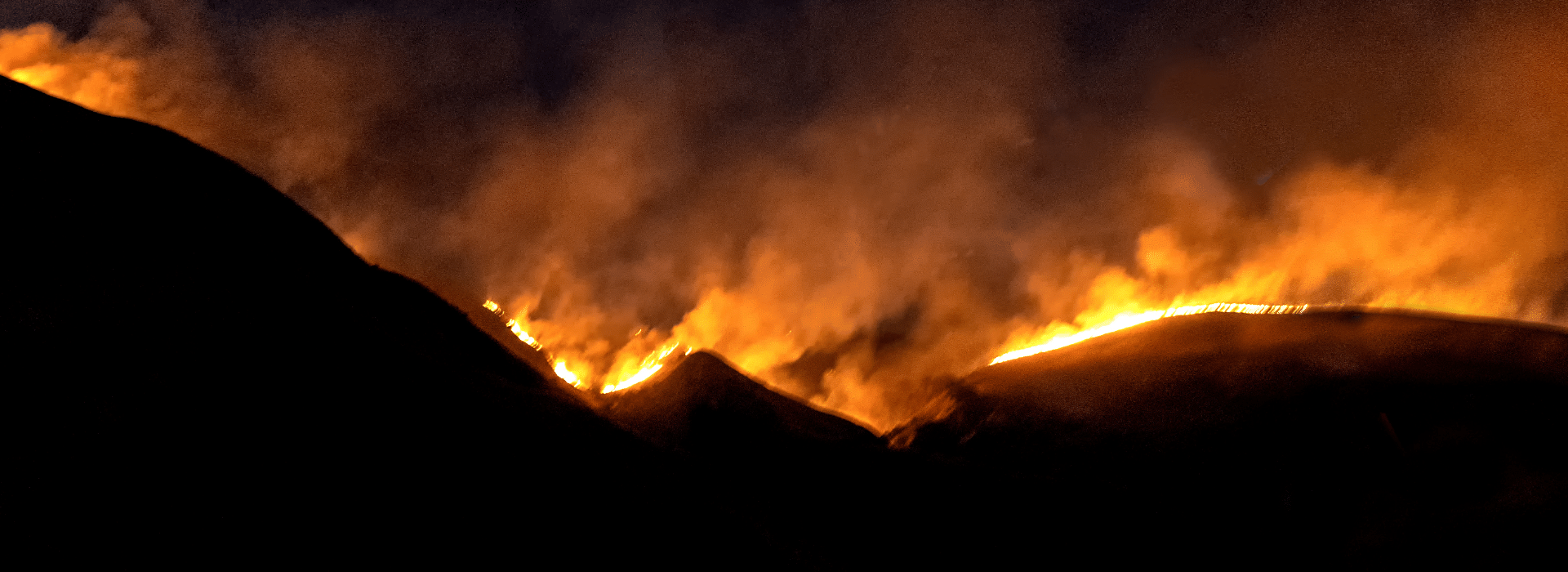
Wet years could encourage the growth and spread of invasive species and vegetation, creating fuel for wildfire. Assuming there are no changes in land management, annual burned area from wildfires may increase by 50% by midcentury.
As these wildfires increasingly pose a threat to our urban areas, more communities will be both in direct danger and affected by compromised air quality.
What we can do now: Bury or fortify power lines, increase buffer zones, and harden homes to protect against fire. Power shutoffs, managed land retreat, and the revitalization of sustainable Indigenous stewardship practices like cultural burns and native plant restoration are also essential.
The problem: Sea level rise.
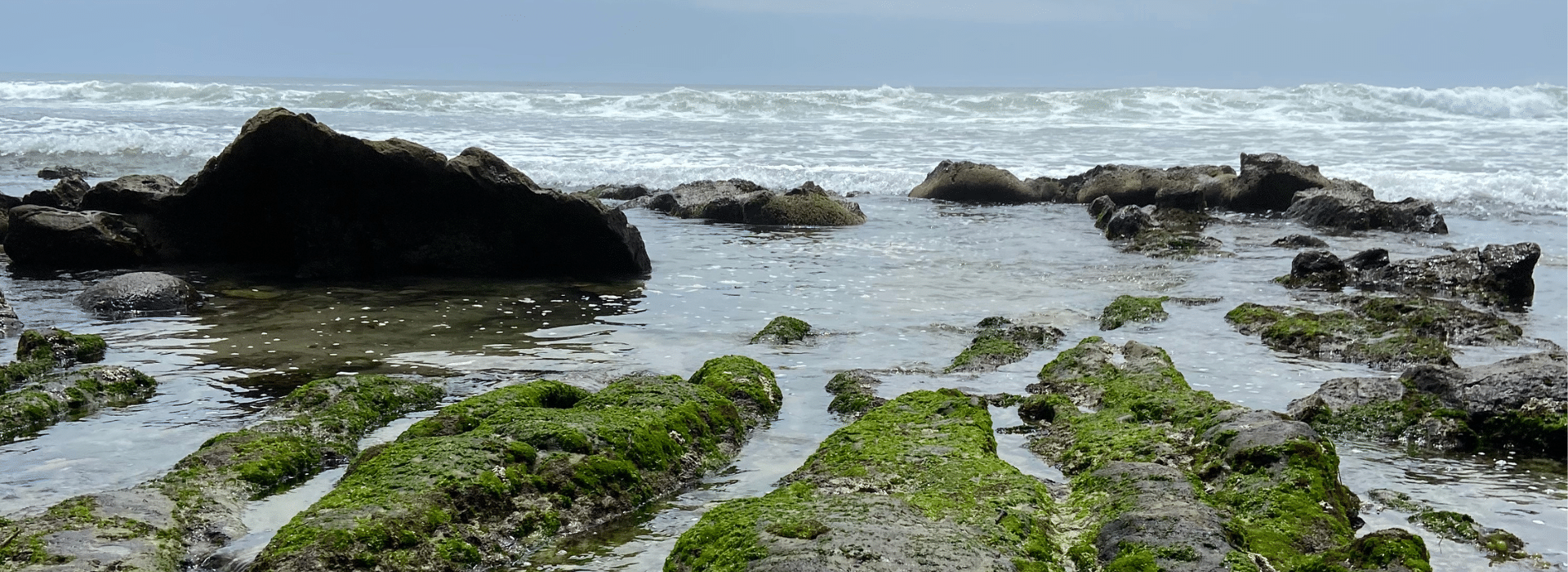
Updated models project 0.7 to 1.1 feet of sea level rise along the L.A. coastline by 2050, putting communities like Malibu, Venice and Marina del Rey, the ports, Belmont Shore, Seal Beach and Huntington Beach at risk.
Rising sea levels compound issues like high tide flooding, storm damage, coastal erosion and groundwater intrusion into infrastructure. Combined with coastal surges, they threaten billions of dollars in roads, housing and other infrastructure
What we can do now: Increase investments into multi-benefit, nature-based solutions like coastal dune and wetland restoration, living shorelines, stormwater infrastructure and upgraded levees.
Want to learn more about how climate change is expected to reshape life in SoCal, and how we can prepare for it?
Join us for a free webinar about California’s 5th Climate Change Assessment on December 2nd! Sign up today.